
A while ago, one of my clients began practicing intermittent fasting using a simple 16:8 method, not for weight loss, but to support her brain health, focus, and energy. She was eating well, honouring good timing, and feeling mentally clear and strong. Over time, something interesting happened: without chasing the scale or changing her food quality, her body composition began to shift naturally. That experience became one of the reasons I wanted to discuss how intermittent fasting supports weight loss, not as a standalone strategy, but as a natural extension of metabolic balance. When the brain is supported, and blood sugar stabilizes, the body often follows.
What if sustainable weight loss wasn’t only about what you eat, but when you eat?
This idea has gained strong scientific support over the past decade, as research increasingly shows that meal timing influences hormones, metabolism, and fat utilization independent of calorie intake (Mattson et al., 2019)
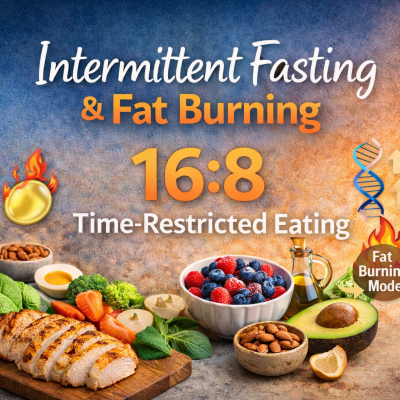
One of the most studied and practical approaches is intermittent fasting, specifically time-restricted eating, such as the 16:8 method. Rather than focusing on food restriction, this method works by lowering insulin levels long enough to allow the body to use stored fat as an energy source.
What Is Intermittent Fasting?
Intermittent fasting (IF) refers to eating patterns that alternate between periods of eating and fasting. Unlike traditional diets, IF does not dictate specific foods; instead, it structures the timing of food intake.
The 16:8 method consists of:
- 16 hours of fasting
- An 8-hour eating window
This approach has been shown to improve insulin sensitivity, fat oxidation, and metabolic flexibility, even when calorie intake remains unchanged (Tinsley & La Bounty, 2015; Anton et al., 2018).
Insulin: The Gatekeeper of Fat Burning
To understand why intermittent fasting supports weight loss, it is essential to understand insulin’s role.
Insulin is a hormone secreted by the pancreas in response to rising blood glucose levels, particularly after carbohydrate consumption. Its primary functions are to:
- Promote glucose uptake into cells
- Stimulate glycogen and fat storage
- Inhibit lipolysis (fat breakdown)
As long as insulin levels remain elevated, the body is biochemically blocked from using stored fat as fuel (Hallberg et al., 2019).
This is why frequent eating, especially high-carbohydrate meals spaced closely together, keeps the body in a constant storage mode, making fat loss increasingly difficult.
What Happens Metabolically During Fasting?
During the 16:8 fasting protocol, several well-documented metabolic changes occur.
1. Blood Glucose Gradually Declines
Once food intake stops, blood glucose levels fall, and liver glycogen stores begin to deplete. This process typically occurs within 12–24 hours, depending on activity level and prior carbohydrate intake (Anton et al., 2018).
2. Insulin Levels Drop Significantly
As glucose availability decreases, insulin secretion declines accordingly. Studies show that reduced insulin levels are required to activate hormone-sensitive lipase, the enzyme responsible for releasing fatty acids from adipose tissue (Hallberg et al., 2019).
3. Shift From Glucose to Fat as Fuel
When insulin is suppressed, the body increases fat oxidation and begins using free fatty acids, and, to a lesser extent, ketone bodies, as primary fuel sources. This transition is often referred to as the “metabolic switch” (Anton et al., 2018).
This metabolic shift does not occur instantly but requires sustained low insulin levels, which is why fasting duration, not just calorie reduction, is critical.
Why the 16:8 Method Works So Well
The 16:8 method is particularly effective because it balances physiology with sustainability.
Research indicates that time-restricted eating:
- Improves insulin sensitivity
- Increases fat oxidation
- Reduces fasting insulin levels
- Preserves lean body mass when protein intake is adequate
(Tinsley & La Bounty, 2015; Sutton et al., 2018)
Unlike prolonged fasts, 16:8 allows individuals to eat daily, maintain social routines, and meet nutritional needs, making long-term adherence far more likely.
https://studio.youtube.com/video/5g9CYVGkR0I/edit
https://www.instagram.com/reel/DLqdEmxOL6j/?igsh=MXhjYWNrZHlqZnBq
Insulin Response Depends on Meal Composition
While the duration of fasting is critical, food quality during the eating window remains important.
High-Carbohydrate Meals
Meals rich in refined carbohydrates lead to:
- Rapid glucose spikes
- Large insulin responses
- Faster return to hunger
Repeated insulin surges shorten the duration of the body’s fat-burning state, even when fasting protocols are followed (Hallberg et al., 2019).
Lower-Carbohydrate, Whole-Food Meals
Meals emphasizing:
- Protein
- Healthy fats
- Fibre-rich vegetables
Result in smaller glucose excursions and reduced insulin secretion, prolonging fat oxidation and improving metabolic stability (Sutton et al., 2018).
What to Eat During the 8-Hour Window
To maximize the metabolic benefits of intermittent fasting, research supports prioritizing:
Protein
Adequate protein intake helps preserve lean muscle mass during weight loss and improves satiety (Tinsley & La Bounty, 2015).
Healthy Fats
Monounsaturated and polyunsaturated fats support hormonal balance and help prevent excessive insulin release (Hallberg et al., 2019).
Fibre-Rich Carbohydrates
Fibre slows glucose absorption and reduces postprandial insulin spikes, improving overall glycemic control (Sutton et al., 2018).
Intermittent Fasting and Weight Loss Plateaus
Weight loss plateaus are often associated with chronic hyperinsulinemia and reduced metabolic flexibility.
Time-restricted eating has been shown to:
- Restore insulin sensitivity
- Improve fat mobilization
- Reduce metabolic adaptation
By extending periods of low insulin, intermittent fasting allows stored fat to become metabolically accessible again—helping individuals break through plateaus without extreme caloric restriction.
Safety and Individual Considerations
While intermittent fasting is safe for most healthy adults, it may not be appropriate for:
- Pregnant or breastfeeding women
- Individuals with eating disorder histories
- Certain metabolic or medical conditions
Clinical personalization is essential, as emphasized in multiple fasting studies (Mattson et al., 2019).
The Long-Term Health Perspective
Beyond weight loss, intermittent fasting is associated with:
- Improved metabolic health
- Reduced insulin resistance
- Enhanced cellular stress resistance
- Potential longevity benefits
(Mattson et al., 2019; Anton et al., 2018)
Rather than forcing fat loss, intermittent fasting removes the hormonal barriers that prevent it, making it a sustainable metabolic strategy rather than a short-term diet.
Intermittent fasting, and especially the 16:8 method, is not about restriction, punishment, or pushing the body to extremes. It is about working with your physiology instead of against it. By allowing insulin levels to fall, blood glucose to stabilize, and the body enough time to access stored fat, you create the internal environment needed for sustainable weight loss and long-term metabolic health.
Rather than chasing quick results, intermittent fasting encourages patience, consistency, and awareness. When practiced thoughtfully and paired with nourishing food choices, movement, and adequate rest, it becomes a powerful tool for improving not only body composition but also energy levels, clarity, and overall well-being.
True health develops over time through daily habits that respect the body’s natural rhythms.
A Gentle Blessing for Your Journey
May your body feel supported rather than stressed.
May your choices come from self-care, not self-criticism.
May you learn to trust your body’s wisdom and honour its signals.
And may this journey toward better health bring you not only physical strength, but also balance, confidence, and peace.
If you’re curious about intermittent fasting, start gently. You don’t need to be perfect, you simply need to be consistent. Begin with small adjustments, observe how your body responds, and allow yourself the time to adapt.
If you would like guidance on personalizing intermittent fasting for your lifestyle, energy levels, and goals, or if you’re looking for a structured approach that supports both fat loss and overall health, I invite you to reach out or explore my programs.
You don’t have to do this alone. When you stay informed, supported, and aligned with your body, you create sustainable change more easily.
Your health journey deserves patience, compassion, and intention.
Stay blessed.
Liset